

Understanding different types of cash outflows is vital for effective financial management. Some common types include operating expenses, loan repayments, equipment purchases, inventory investments, taxes, dividends or distributions to shareholders, among others. Each type requires careful consideration to ensure that sufficient funds are available when needed while maintaining healthy cash balances. Understanding the timing and nature of these cash outflows is key to effective cash flow management and long-term financial stability. One objective of financial reporting is to provide information that is helpful in assessing the amounts, timing, and uncertainty of an organization’s cash inflows and outflows.
Cash Inflow and Outflow: Understanding Them and Why They Matter
Revenue generation is the lifeline of cash flow management, as it determines the financial stability and flexibility of a business. Managing cash outflows effectively not only contributes to financial stability but also fosters a sense of belonging by providing peace of mind and security. It allows businesses and individuals to allocate resources wisely, invest in growth opportunities, and withstand unforeseen challenges.

Payment
When a company repays loans, it reduces its debt levels, which in turn can improve its creditworthiness and lower interest expenses. Effective inventory management plays a crucial role in controlling costs and optimizing operational efficiency. By carefully monitoring inventory levels and ordering only what is necessary, a company can minimize excess inventory holding costs and reduce the risk of inventory obsolescence. Maintaining a lean inventory and supply chain management process can lead to improved cash flow, as excess cash is not tied up in unnecessary inventory stockpiles.
- In this article, we’ll talk about the difference between cash inflow and outflow and tips to help manage them to maintain positive overall financial health.
- Cash flow is a term that refers to the movement of money in and out of a company.
- When you physically see the money leaving your wallet, it can make you more mindful of your spending habits.
- Beyond the various reasons listed below, cash outflows contribute to interpreting your business’s statement of cash flows, offering a snapshot of your financial standing.
- To figure a budget you can just go back and edit your entries until your projections look acceptable.
- Financial activity outflows are those dividends that companies pay to shareholders and use for loan repayment.
- Monitor real-time transactions, manage accounts, and facilitate electronic payments.
How to calculate cash from the investing activities formula?
So, take the time to understand your cash flow and use it to your advantage. This outflow of cash plays a critical role in financial management as it directly impacts the liquidity Payroll Taxes and financial health of the entity. Monitoring and managing cash outflow is essential for maintaining a positive cash flow and ensuring the sustainability of operations. While cash inflows are often celebrated, it is the management of cash outflows that often determines the resilience and long-term success of an entity. By understanding and strategically managing these outflows, entities can maintain a healthy balance sheet and ensure financial sustainability.

Since cash inflow vs outflow your business’s financial health depends on its ability to generate cash, it’s crucial to minimise cash outflow and overcome cash inflow problems. A Cash Outflow refers to the movement of money from a business due to various expenses. These expenses are categorized in the cash flow statement and can impact a company’s available cash, although they may not always directly affect profit.
How cash outflows affect the performance, risk, and liquidity of an investment portfolio?
Changes in consumer demand can significantly impact sales revenue, directly affecting cash inflow from operations. As you can see, the inventory outflow always occurs at the time of the transaction (i.e when the product is sold), but cash outflow depends on the timing of the actual cash disbursement. Money can be sent at the time of purchase, OR when the inventory outflow occurs. This is an operating activity cash outflow, reducing the company’s available cash. Investment outflows occur when a business buys fixed assets like machinery, vehicles, or purchases other businesses.
- Fortunately, you can see positive results immediately simply by becoming vigilant.
- These tools and technologies are equally helpful for cash inflow and outflow activities.
- When a business consistently brings in more cash than it spends, it remains financially healthy and has surplus capital for expansion, hiring, or investing in new opportunities.
- For instance, investing activities appear on both cash flow statements and balance sheets to record the movement of cash and assets into and out of the business.
- Are your suppliers willing to offer a discount if you pay on time or before time?
This process involves forecasting expected cash inflows and outflows over a specific period using historical data, sales forecasts, expense projections, and other relevant information. Regularly updating and reviewing projected cash flow helps businesses identify potential cash shortages or surpluses, allowing for proactive cash management strategies and financial planning. By regularly reviewing the cash flow statement, business owners can identify potential cash shortages before unearned revenue they become critical.
- If you’re interested in finding out more about cash outflow, or any other aspect of your business finances, then get in touch with our financial experts.
- It includes cash inflows from sources like sales, loans, and investments, and cash outflows from expenses like rent, salaries, and inventory.
- The value of depreciation is usually added back to net income on a cash flow statement to show your true cash position.
- Cash flow offers an insightful snapshot of the company’s financial movements, covering both cash inflows and outflows.
- The art of managing these monetary streams is intricate, involving a keen understanding of timing, amount, and the nature of each transaction.
They primarily affect an organization’s liquidity, solvency, and capital structure. The cash flow statement looks at actual and expected cash inflows and outflows over a given period – like a month or quarter. Meanwhile, the balance sheet shows how all investments are performing in terms of assets, liabilities, equity, contributions received by owners, or any other investments.
Understand the Essentials of Cash Flow Management
Companies must carefully evaluate these investments to ensure they align with their strategic objectives and provide a satisfactory return on investment (ROI). Financial analysts often use metrics such as net present value (NPV) and internal rate of return (IRR) to assess the viability of potential investments. Cash flow management refers to monitoring, analyzing, and optimizing the net amount of cash moving into and out of a business. It ensures that the business can meet its obligations and invest in growth opportunities while maintaining liquidity and financial stability.
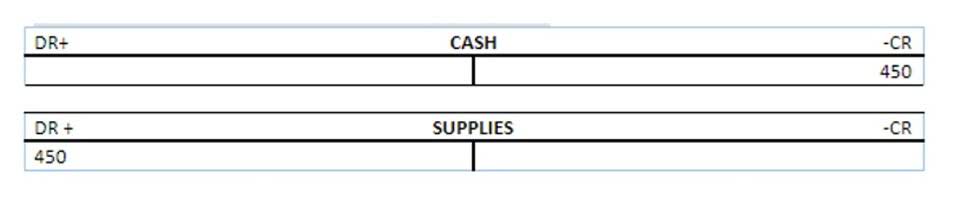
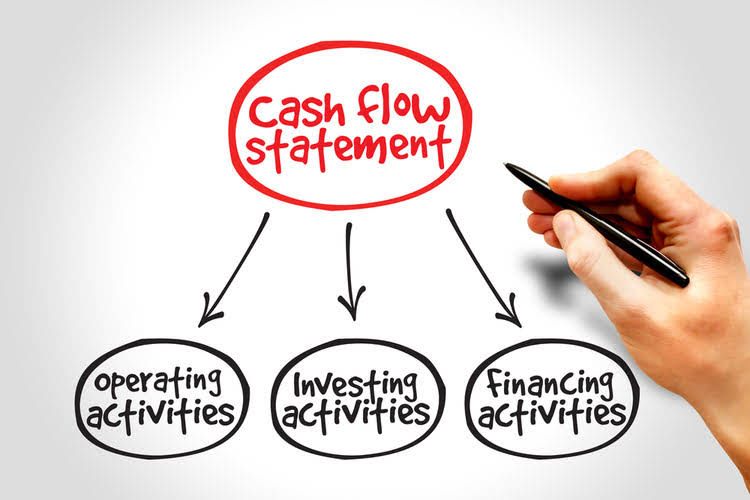
One type of expenditure that can occur is when money leaves a business or individual’s possession. Cash outflows are an important aspect of financial management, as they directly impact the overall cash position of a business or individual. Investing in new equipment or property leads to cash outflows as companies allocate funds for capital expenditures to enhance operations or expand their asset base. One example of cash outflow is the purchase of inventory or supplies required for business operations, affecting the cash position and inventory management. This required financial statement is appropriately named the Statement of Cash Flows. Keeping an eye on this figure can tell you how much money a company has available to reinvest into new opportunities or repay shareholders and creditors.